Paul Russell · 16 November 2026
Multi-Generational Teams Restore Orvena's Iconic Public Fountains
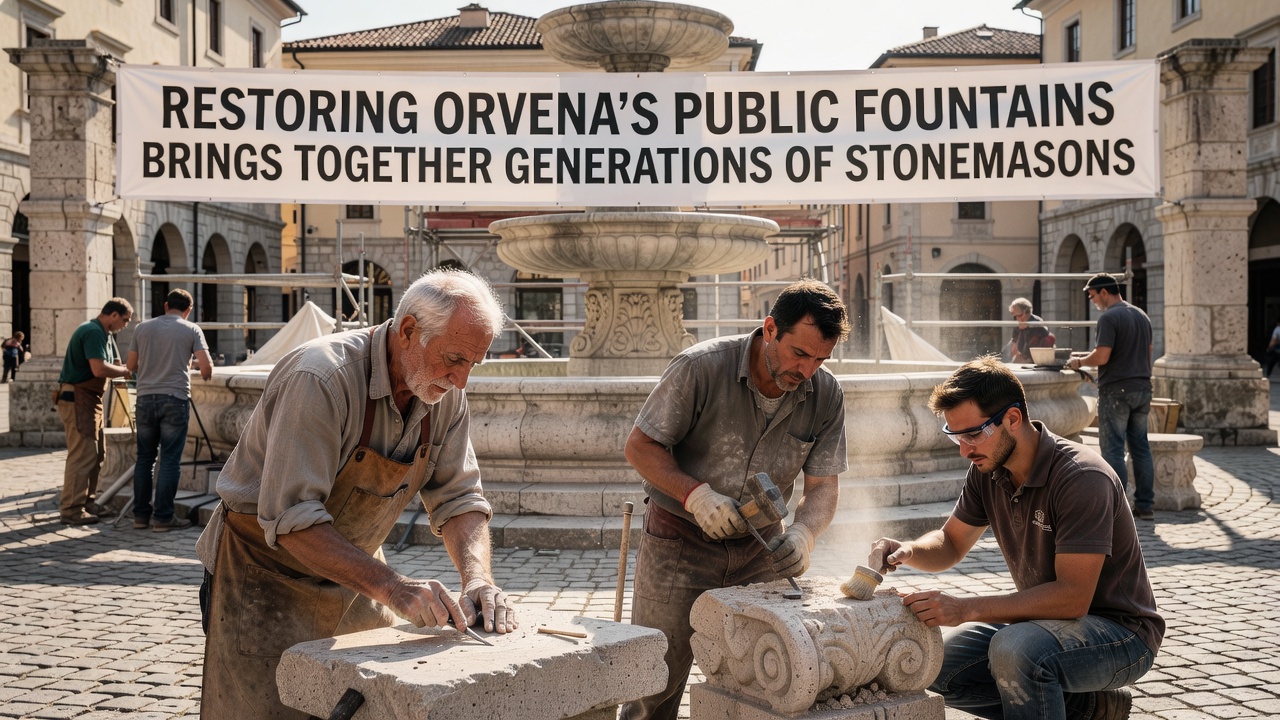
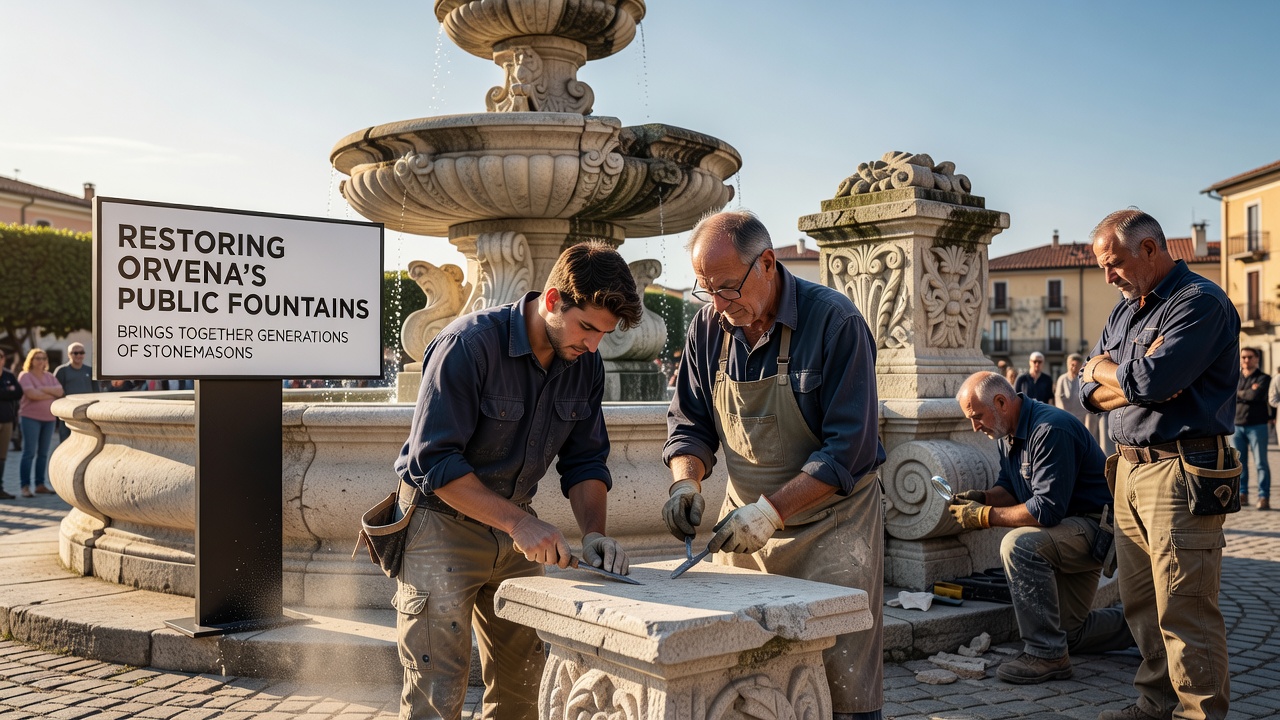
Restoration work on Orvena's historic public fountains has drawn together stonemasons spanning several decades of experience, with projects centered on preserving intricate stonework that dates back centuries while incorporating modern conservation methods. Teams include apprentices in their early twenties alongside veterans who began their careers in the 1970s, and this collaboration has accelerated progress on multiple sites across the town since early planning phases wrapped up in 2024.
Project Background and Timeline
Local authorities initiated the fountain restoration initiative after surveys revealed significant erosion on several central structures, prompting a coordinated effort that pairs traditional hand-carving techniques with laser scanning for precise documentation. Work intensified through 2025, and crews expect key phases to conclude by November 2026 when ceremonial water flow tests are scheduled for the main piazza installations. Data from the European Heritage Agency indicates that similar multi-generational projects in comparable Italian towns have reduced material waste by up to 30 percent through knowledge sharing on stone sourcing and jointing methods.
Observers note that the fountains, originally constructed during periods of Byzantine and Renaissance influence, feature layered stone basins and sculpted figures that require specialized chiseling skills passed down through family workshops. Younger participants learn these approaches on-site while contributing updates such as non-invasive cleaning agents developed through university partnerships in the region.
Skills Transfer in Practice
Daily routines at the restoration sites illustrate how expertise flows between age groups, as seasoned stonemasons demonstrate the angle and pressure needed for chisel work on aged limestone while apprentices operate digital modeling software to plan repairs. One workshop documented in local records shows a master craftsman guiding a team through the replacement of a damaged spout, combining measurements taken from archival drawings with contemporary structural analysis tools.
Research from the Australian Institute of Architects highlights comparable efforts where such pairings have preserved ornamental details that might otherwise have been lost, and figures reveal increased retention rates among new trainees when they work directly with experienced mentors rather than in isolated training sessions.
Community and Economic Effects
The initiative has expanded beyond the fountains themselves to include public demonstrations and short training modules open to residents, which have drawn participation from neighboring villages and helped sustain local quarries that supply compatible stone varieties. Records from teh project coordinators show that over 150 individuals have contributed hours across the sites, with a notable portion coming from families that have maintained stonemasonry trades for generations.
According to updates shared by the International Council on Monuments and Sites, coordinated efforts like these often strengthen regional identity by maintaining visible landmarks that serve as gathering points, and the Orvena work aligns with broader patterns where heritage projects stimulate related crafts such as metalwork for fountain fixtures and landscaping around the restored basins.
Challenges encountered include matching the patina of new stone sections to existing surfaces and navigating weather delays during winter months, yet teams have adapted by rotating indoor preparatory tasks that allow continued progress on carved elements. These adaptations demonstrate how combined experience from different eras addresses practical constraints without compromising authenticity standards.
Future Phases and Documentation
Documentation efforts run parallel to the physical work, with detailed logs capturing both the technical decisions and the interpersonal exchanges that occur on-site, creating an archive intended for future reference in similar Italian heritage contexts. Plans call for an exhibition of recovered fragments and before-and-after imagery timed to coincide with the November 2026 milestones, allowing wider access to the outcomes of this generational collaboration.
Additional support comes through partnerships with regional technical schools that integrate site visits into curricula, ensuring that the techniques refined during this project reach the next wave of practitioners. Evidence from ongoing monitoring indicates steady advancement toward the targeted completion dates, with adjustments made based on weekly assessments of stone integrity and joint stability.
Conclusion
The restoration of Orvena's public fountains continues to serve as a living example of how skills endure and evolve when practitioners from varied backgrounds work side by side, and the November 2026 benchmarks will mark a significant point in this ongoing preservation of the town's stone heritage. Further updates from involved organizations will track long-term durability once the fountains return to full operation.